What is low testosterone?
Low testosterone, also called testosterone deficiency, means the body is producing less of the male sex hormone than it should. A doctor makes the call using symptoms together with blood tests, not symptoms alone.
Levels decline gradually with age for most men. A lower reading does not always mean a problem, and the reference values come from the laboratory that runs your test. Your GP explains what your result means for you.
What are the common symptoms?
Men describe the signs in different ways, and they tend to build up slowly. The following are the ones most often mentioned. Having one or two does not mean your testosterone is low.
- Lasting tiredness and lower energy
- A drop in sex drive
- Changes in erections, including fewer morning erections
- Low mood, irritability or trouble concentrating
- Loss of muscle or strength despite training
- More body fat, especially around the middle
- Poor sleep or hot flushes in some men
Why can these symptoms have other causes?
Every item on that list overlaps with something else. Poor sleep, sleep apnoea, stress, low mood, a heavy drinking pattern, extra weight, thyroid problems, diabetes, heart conditions and some medicines can each cause the same signs.
That overlap is the reason to see a doctor rather than guess. Treating the wrong cause wastes time and money, and a GP can often find an easier answer than expected.
How does a GP check for low testosterone?
Your GP will ask about symptoms, sleep, mood, medicines and lifestyle, and may examine you. Testosterone is usually measured with a blood test taken in the morning, when levels are highest. The doctor may repeat it to confirm the result and may check other hormones and general health markers at the same time.
If a cause is found, treatment depends on it. That might mean addressing sleep, weight or another condition. Prescription testosterone is an option only when a doctor decides it is appropriate and then monitors it.
What everyday habits can support you?
Whatever your test shows, these habits support energy and wellbeing and are worth building. None of them is a treatment.
Sleep on a regular schedule, do strength training a few times a week, walk most days, keep a steady weight, drink less alcohol and make time to switch off. Eat a balanced diet with enough protein, vegetables and healthy fats.
Where do supplements fit?
A dietary supplement is not a treatment for low testosterone and does not replace a medical assessment. Some men choose one as a daily habit after speaking to their GP or pharmacist. If you do, read the label, keep to the labelled amount and tell your doctor what you take, especially before any blood test.
If your GP finds nothing of concern: Virdexis capsules
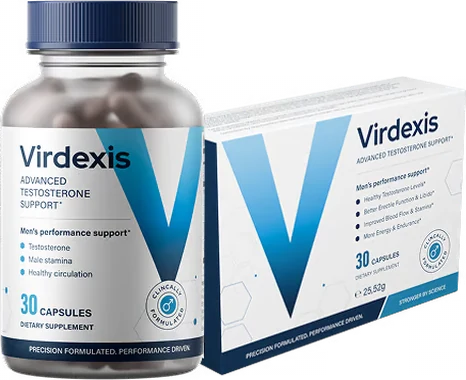
If you have talked to your GP and you would like to add a daily supplement, Virdexis is one product you can look at. It is a once-a-day capsule sold as men's performance support. The jar and carton read Advanced Testosterone Support, with Male stamina and Healthy circulation on the jar. It is labelled as a dietary supplement, not a treatment, and each jar holds 30 capsules (25.52 g). The full ingredient list and amounts are printed on the pack, so you can show it to your pharmacist.
Adults take one capsule a day, following the directions on the label, which makes one jar a 30-day supply. When we checked, the seller's Australian page listed one bottle at A$79.95 plus A$7.95 shipping. Two bottles were listed at A$64.97 each and three at A$59.95 each, both with delivery included. These are the seller's prices and can change, so confirm the total at checkout.
The seller also describes a 30-day money-back policy, a card statement that reads VRDX Wellness and neutral packaging. fito360 is an independent information site, not the maker or the seller, and it may earn a commission on orders placed through this page. Our Virdexis page has the full pack details and customer comments.
Starting price at the seller: A$79.95 per bottle Seller's price, may change.
Order at today's price – with current offers
You will move to the seller's website, where the seller confirms price, delivery and payment. fito360 earns a commission on orders placed through this page. Current offers and discounts are the seller's and apply while they are shown on its page; the price may change.
FAQ
What are the symptoms of low testosterone in men? +
Commonly mentioned signs are lasting tiredness, lower sex drive, erection changes, low mood, loss of muscle and more body fat. Many other things cause the same signs, so see your GP for an assessment.
How do I know if I have low testosterone? +
A GP can arrange a blood test, usually taken in the morning. Symptoms alone cannot confirm it.
At what age does testosterone start to drop? +
Levels decline gradually with age, and the pace is different for each man. A GP can tell you what your own result means.
Can lifestyle changes help? +
Sleep, strength training, a steady weight, less alcohol and lower stress support energy and wellbeing. They are worth doing whatever your test result is.
Can low testosterone cause erection problems? +
It can be one of several causes. Blood flow, nerves, medicines, stress and health conditions also play a part. See your GP, who can look at the whole picture.
Should I take a testosterone supplement if I have symptoms? +
Speak to your GP first. Symptoms can have other causes, and a supplement is not a treatment. If you choose one, read the label and keep to the labelled amount.
Is Virdexis a treatment for low testosterone? +
No. Virdexis is a dietary supplement sold as men's performance support, not a medicine and not a treatment. If you think your testosterone may be low, see your GP.