Where should you start?
Start with the habit you find easiest to change. Small changes you can keep up beat a big overhaul that lasts a fortnight. Most men notice that sleep, movement and weight affect each other, so progress in one area often makes the next one easier.
Be realistic about what natural changes can do. They support how you feel and function. They do not turn back the clock, and they work at different speeds for different people.
Does sleep affect testosterone?
Yes. Testosterone is closely tied to your sleep pattern, and poor or short sleep is linked with lower energy and mood the next day. Going to bed and getting up at about the same time is the simplest fix.
Keep the bedroom dark and cool, put screens away before bed and go easy on caffeine in the afternoon. If you snore loudly, wake up unrefreshed or feel sleepy through the day, mention it to your GP. Sleep apnoea is common in men and a doctor can assess it.
What exercise is best?
Strength training is a good starting point. Lifting weights or using your body weight for compound movements such as squats, push-ups, rows and deadlifts works big muscle groups and supports strength, body composition and energy.
Add regular walking and some higher-effort cardio for heart health. Rest matters too. Training hard every day without enough recovery leaves most people flat rather than fitter.
- Strength sessions two to three times a week
- Walking most days, with a swim, ride or jog for variety
- At least one or two proper rest days
- A programme you enjoy, since you are more likely to stick with it
How do weight and food come into it?
Carrying extra weight around the middle is linked with lower testosterone, and losing weight gradually often helps men feel better. Crash diets tend to backfire, so aim for steady changes.
Eat a balanced diet with enough protein, healthy fats, whole grains, fruit and vegetables. Australian staples such as eggs, fish, lean meat, nuts, olive oil, legumes and plenty of vegetables fit well. No single food lifts testosterone on its own, and extreme diets are best avoided.
What about alcohol and stress?
Heavy drinking is linked with lower testosterone and poorer sleep. Cutting back and building in alcohol-free days is a practical step. Smoking and recreational drugs do not help either.
Ongoing stress raises cortisol and wears down energy and libido. Time outdoors, a walk with a mate, hobbies, breathing exercises and proper time off all help. If stress or low mood is dragging on, talk to your GP.
When should you see a doctor?
See your GP if you have lasting tiredness, low mood, a drop in sex drive, erection changes, loss of muscle or unexplained weight gain. These signs can have many causes, and testosterone is only one of them. A GP can arrange blood tests and talk through your options.
Do not buy testosterone products from overseas websites or from a friend. Prescription testosterone needs a doctor's assessment and monitoring.
One option on top of the basics: Virdexis capsules
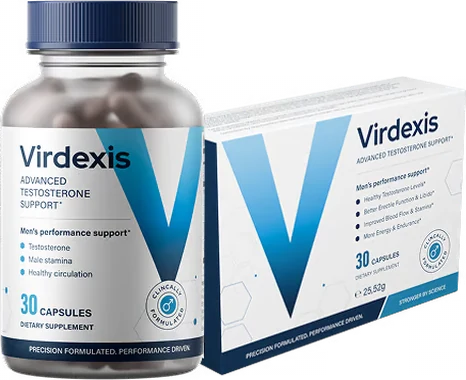
Some men like to add a daily supplement to their healthy habits. Virdexis is one such option: a once-a-day capsule sold as men's performance support, with Advanced Testosterone Support on the jar and carton and Male stamina and Healthy circulation on the jar. Each jar holds 30 capsules (25.52 g), and the pack is labelled as a dietary supplement. The full ingredient list is on the pack. A supplement works best as an extra on top of good sleep, movement and food, not a replacement for them.
Adults take one capsule a day, following the directions on the label, which makes one jar a 30-day supply. When we checked, the seller's Australian page listed one bottle at A$79.95 plus A$7.95 shipping. Two bottles were listed at A$64.97 each and three at A$59.95 each, both with delivery included. These are the seller's prices and can change, so confirm the total at checkout.
The seller also describes a 30-day money-back policy, a card statement that reads VRDX Wellness and neutral packaging. fito360 is an independent information site, not the maker or the seller, and it may earn a commission on orders placed through this page. Our Virdexis page has the full pack details and customer comments.
Starting price at the seller: A$79.95 per bottle Seller's price, may change.
Order at today's price – with current offers
You will move to the seller's website, where the seller confirms price, delivery and payment. fito360 earns a commission on orders placed through this page. Current offers and discounts are the seller's and apply while they are shown on its page; the price may change.
FAQ
How can I boost testosterone naturally? +
Focus on sleep, strength training, a steady body weight, a balanced diet, less alcohol and lower stress. These habits support energy and wellbeing. A GP can test your levels if you have symptoms.
How long does it take to see a difference? +
It varies. Many men notice changes in energy and sleep within a few weeks of steady habits, while body composition takes longer. Stick with changes for a couple of months before judging them.
What foods help with testosterone? +
No single food does it alone. A balanced diet with protein, healthy fats, vegetables, fruit and whole grains supports overall health, weight and energy, which in turn supports healthy hormones.
Does weightlifting increase testosterone? +
Strength training supports muscle, body composition and energy, and many men find it makes them feel better overall. It is one of the best habits to build, whatever your testosterone level.
Can stress lower testosterone? +
Long-term stress is linked with poorer sleep, lower energy and lower libido. Managing it with time outdoors, exercise and proper breaks supports your wellbeing.
Do natural testosterone boosters work? +
Dietary supplements are designed to support wellbeing and results vary between men. They work best alongside sleep, exercise and food. Check the label and ask your pharmacist if you take medication.
Does testosterone drop with age? +
Levels decline gradually with age, but the pace differs between men. Lifestyle can make a real difference to how you feel at any age.